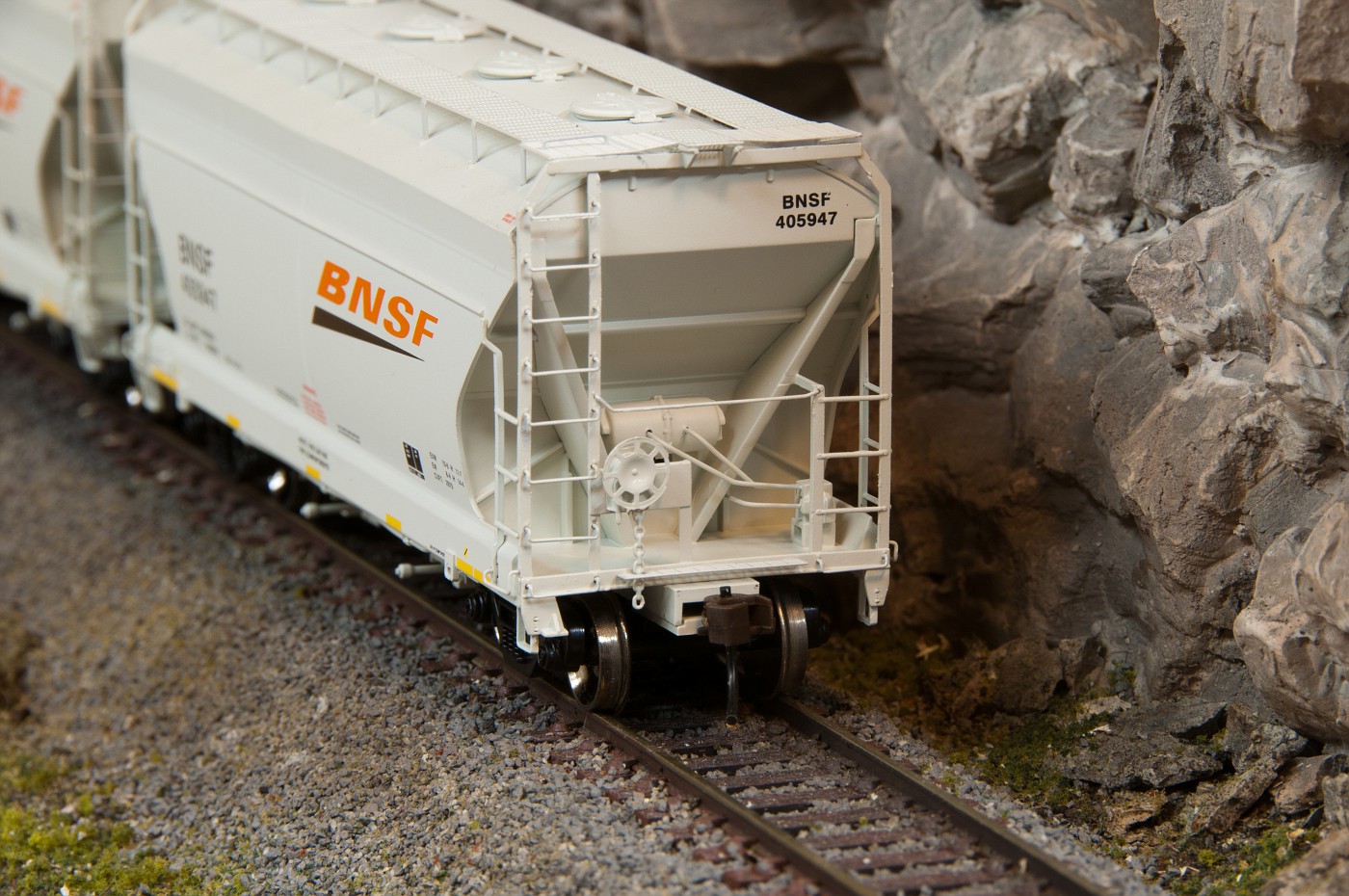
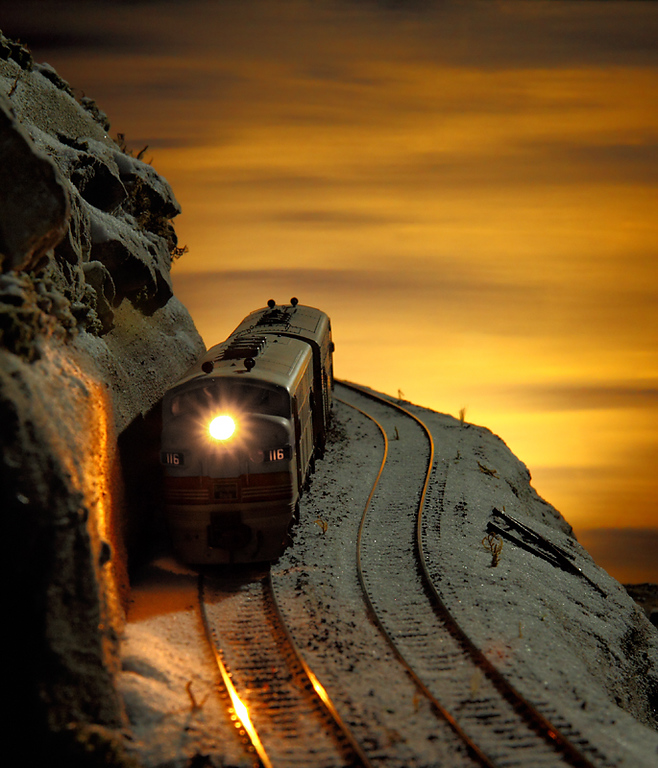
Creating better images! The key to getting the images you want is a multifacited subject.
1. Learn the various aspects of your exposure metering system in your camera;
a. There are three main types of metering and each has a specific use depending on what your shooting;
a1. Do you want an overall scene type of metering the use the
Full Frame Averaging setting;
b1. Do you want to shoot a more specific area then
Center weighted is the one to use;
c1 Are you trying to zero in on a particular subject to call attention to it in the photo then use
Spot Metering;
Above all, learn to see light and it variances and determine what portion of your image is important to you and use that for your main exposure reading using either CW or S metering.
White balance is also important and should be set using the lighting you'll be shooting under most of the time. Your camera can usually store different WB settings such as actual Daylight/Sun light and indoor lighting if different? Use the back of a piece of White photographic paper propped up so you can focus on it and set your WB per your camera instructions.
You'll be shooting most images in Jpg mode and most certainly don't need to use anything over 6Mp and for that matter even 3.5Mp is more than sufficent for most images. Also realize that most Digital images can be sharpened once or twice to get even better clarity. Also, in the past Canon tended to produce images that were on the blue side so you'll need to learn how to correct for this in the photo editing program that came with the camera. Some photo editing programs are fairly cumbersome like Photo Shop as an example, it will do a tremendous job but is tedious to use. There are others that are a lot less time consuming.
RAW files as well as TIFF give you 100% flexability to correct any portion of an image but you'll be working with hugh files that are memory intensive for really no reason if you learn to see light and make expose corrections for the subject your shooting to begin with.
Stark contrasts usually create a real problem when trying to determine exposure. Also be careful of side lighting and even overhead lighting striking the camera lens or being reflected into it as that can cause problems in metering by giving you false results. A lens hood can be very useful but so can a large tube section like half of an Oat meal container just held around your lens to shade it from overhead florescent lights if they should cause a problem.
If you use added fill or modeling lights keep them behind and to the side of your camera.
The nice thing with digital is that if the image/s don't turn out to your liking, erase them and reshoot them making necessary corrections.
Remember too that when moving in close your depth of field is reduced considerably so you'll need to use a smaller aperture
by at least two or more fstops to compensate for this and get the depth of focus you want.
Remember, you don't a picture, you make a picture by watching a number of things that might turn up in the image and be distracting.
Have fun and enjoy your camera.
I actually realized I'd kind of gotten side tracked myself in my photo creating.
No image for some reason? There should be another image below here.
?????
This image below was shot under an over head Florescent fixture with two different tubes in it as well as an inexpensive light hood and incandescent blub in it. An exposure of 1/4 sec at f16 an a ISO setting of 200 with the camera on a tripod. Also this image was shot at 3.5 Mp file size and further reduced to 905x603 Pixels.