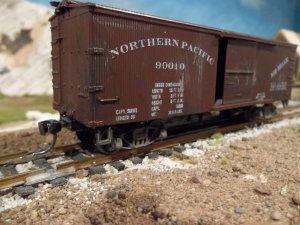
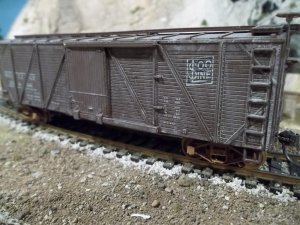
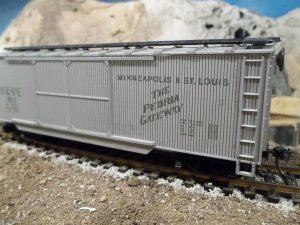
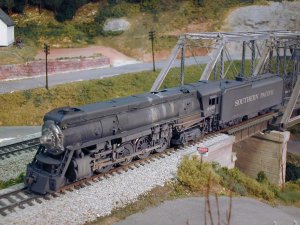
It's not really that hard. I was intimidated about weathering years back in just sucked it up and gave it a shot. One of my first attempts was this Northern Pacific box car. I have no idea where it came from and had something that had been spilled on it and I was ready to toss it in the trash. I model the transition era, so black chalk was used to show where water would have streaked the sides of the cars with coal dust. Then an airbrush was used to show where mud and dust would have been picked up around the lower parts of the car. When finished, it got an over spray of dull coat.
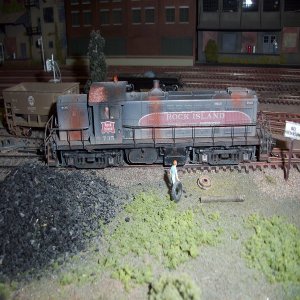
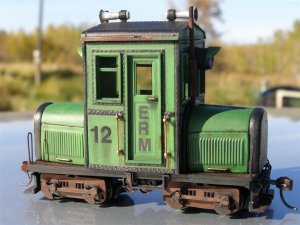
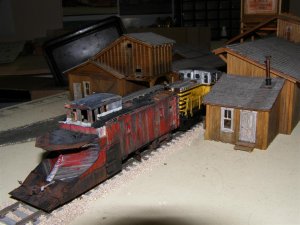
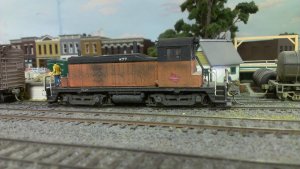
The same thing was done with this Milwaukee Road switcher.
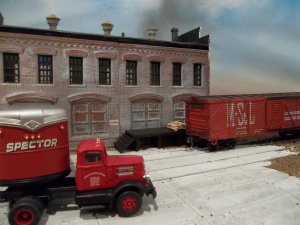
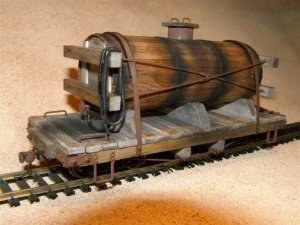
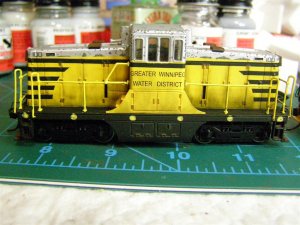
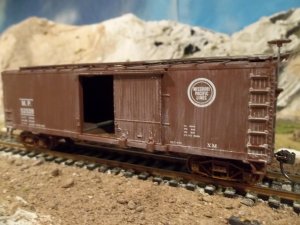
It turned out that it wasn't difficult at all. I started building my rolling stock fleet as I was building the layout. I bought a number of undecorated Athearn Blue Box kits and got to work, weathering them the same way. Once I got the hang of it I found that it only took a few minutes do do it. Here are a few more samples.
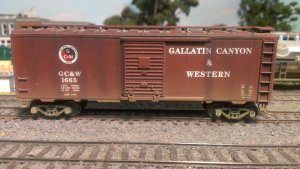
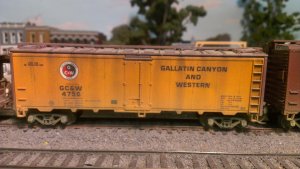
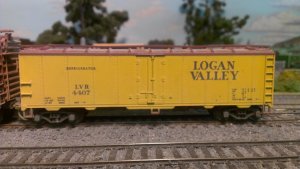
I'm sure that you probably have some old rolling stock laying around somewhere that you have thought about heaving out. Give it a try. What's to lose.
Years back I used to go to Great Falls, MT each year during their state fair to help them with their open house. Their rent for the years was to have trains operating during state fair. What a deal. I unloaded a bunch of the weathered freight cars and most of the club members were really giving them the once over as all of their equipment looked brand new. Later during the open house many of the visitors were commenting on how they looked dirty, just like the real ones.
The next year you would be suprised how many of the club members had weathered their equipment.
One thing to remember is that if you use lighter color chalks, the dull coat can almost make the chalk disappear. You can test this on a piece of cardboard or even a scrap of paper.
Give it a try, it's really a lot of fun and will make your equipment look better.