Greetings all,
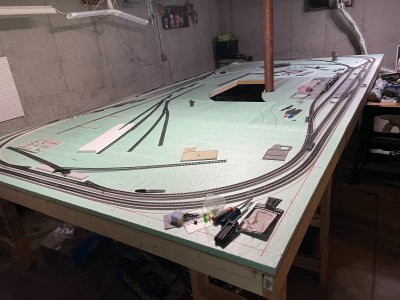
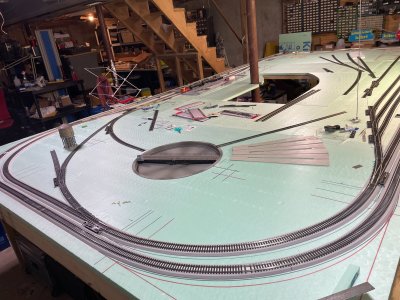
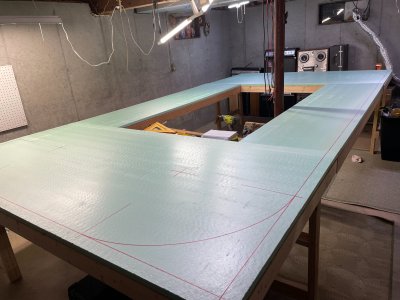
After lurking a long time I figured I should finally contribute some content. I have recently begun building my first layout in almost 30 years and its been a lot of fun getting back into a much advanced hobby from when I was last 'in it.' I will begin by making two posts, this one to give a background on my railroad, and a second describing the layout itself.
CPR Background-
In the summer of 1955 a group of titans of industry gathered at the Henry Ford Museum in Dearborn MI for their 30th class reunion (insert Ivy League school of your choice here.) After a weekend of tours they concluded with a banquet and with much discussion realized they themselves were witnessing another large change in American life, such as the ones that inspired Ford to build his Greenfield Village. Cities were demolishing old neighborhoods in the name of modernization, transistors were replacing tubes, diesel locomotives were replacing steam, and the airplane was replacing rail passenger travel. A pledge was made amongst this august and wealthy group to create their own 'preservation society' with an emphasis on saving steam engines from the scrap yard. They each contributed a sizeable sum and created an endowment to acquire not only historically significant railroad equipment, but also to find a location that could be saved from the wrecking ball and house this collection.
The group was able to find a perfect location in the middle of the country in the small city of Victorville,NE (fictitious) which had been a rail hub for freight trains and had a decent service facility as well as a historic downtown. With the members being executives in many industries including some who sat on boards of railroad companies, they were able to acquire a sizeable collection quickly, and were able to hire the mechanics and engineers who had spent their entire careers in steam so the knowledge would be passed on. The railroad initially had a fair amount of freight from local factories, but as time went on and nostalgia for the past began to rise, the railroad became a major railfan destination and the local economy changed over to support the ever growing crowds. The city is near (yet to be determined) which is a popular sightseeing destination so regular passenger excursions are a significant part of revenue. There are also several 'heritage industries' operating out of historic factory buildings purchased by the railroad over the course of the years.
The engine facilities are also a tourist highlight as the art and science of steam never dimmed and engines from around the country come here for critical overhauls and newly machined parts. The railroad also boasts a collection of British and Continental engines that were saved when Europe turned away from steam in the 60s and 70s.
This 'what if' scenario is my justification (read:excuse) to create a bit of an anachronistic layout that allows me to run a wide range of equipment and also try to create an imaginary scenario of what could have been saved from that era (more than what we have today).
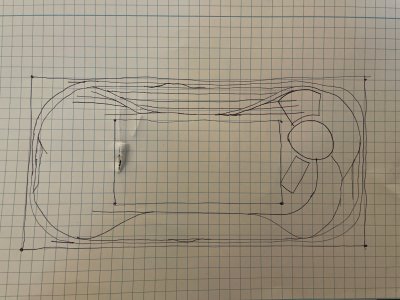
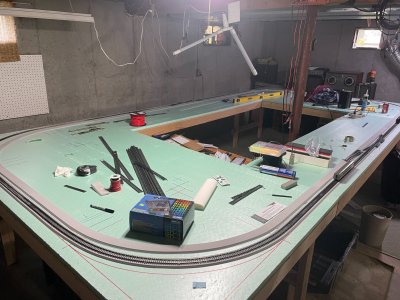
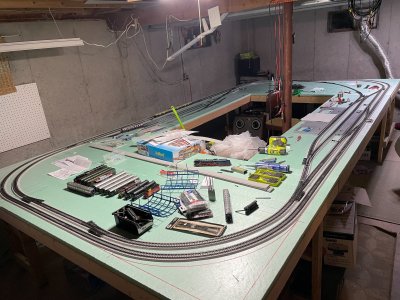
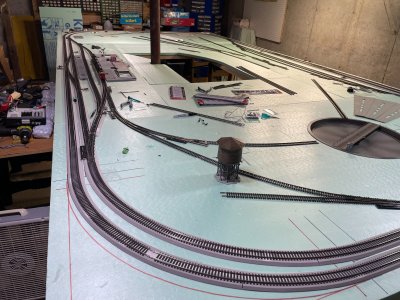
Next post will describe what the actual layout(and constraints), track plan, and construction are (I am about 3 months into building).
More soon,
Victor
After lurking a long time I figured I should finally contribute some content. I have recently begun building my first layout in almost 30 years and its been a lot of fun getting back into a much advanced hobby from when I was last 'in it.' I will begin by making two posts, this one to give a background on my railroad, and a second describing the layout itself.
CPR Background-
In the summer of 1955 a group of titans of industry gathered at the Henry Ford Museum in Dearborn MI for their 30th class reunion (insert Ivy League school of your choice here.) After a weekend of tours they concluded with a banquet and with much discussion realized they themselves were witnessing another large change in American life, such as the ones that inspired Ford to build his Greenfield Village. Cities were demolishing old neighborhoods in the name of modernization, transistors were replacing tubes, diesel locomotives were replacing steam, and the airplane was replacing rail passenger travel. A pledge was made amongst this august and wealthy group to create their own 'preservation society' with an emphasis on saving steam engines from the scrap yard. They each contributed a sizeable sum and created an endowment to acquire not only historically significant railroad equipment, but also to find a location that could be saved from the wrecking ball and house this collection.
The group was able to find a perfect location in the middle of the country in the small city of Victorville,NE (fictitious) which had been a rail hub for freight trains and had a decent service facility as well as a historic downtown. With the members being executives in many industries including some who sat on boards of railroad companies, they were able to acquire a sizeable collection quickly, and were able to hire the mechanics and engineers who had spent their entire careers in steam so the knowledge would be passed on. The railroad initially had a fair amount of freight from local factories, but as time went on and nostalgia for the past began to rise, the railroad became a major railfan destination and the local economy changed over to support the ever growing crowds. The city is near (yet to be determined) which is a popular sightseeing destination so regular passenger excursions are a significant part of revenue. There are also several 'heritage industries' operating out of historic factory buildings purchased by the railroad over the course of the years.
The engine facilities are also a tourist highlight as the art and science of steam never dimmed and engines from around the country come here for critical overhauls and newly machined parts. The railroad also boasts a collection of British and Continental engines that were saved when Europe turned away from steam in the 60s and 70s.
This 'what if' scenario is my justification (read:excuse) to create a bit of an anachronistic layout that allows me to run a wide range of equipment and also try to create an imaginary scenario of what could have been saved from that era (more than what we have today).
Next post will describe what the actual layout(and constraints), track plan, and construction are (I am about 3 months into building).
More soon,
Victor